
The Battle for the Hydrogen Bomb
American PrometheusThis thread traces Oppenheimer’s opposition to a crash hydrogen-bomb program, his strategic reasoning, and the political defeat of his position.
increasing Bearing strength in each event
 decreasing
Bearing strength in each eventdecreasingEarly Skepticism
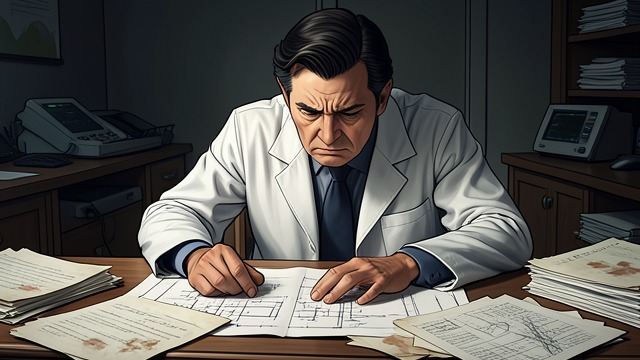
Early Skepticism
A different priority
Edward Teller’s interest in a super bomb competed with the urgent work of building a fission weapon. Oppenheimer kept the project low priority while the immediate wartime task remained unfinished.
A possibility deferred
He did not deny that a more powerful weapon might be developed. He doubted its practicality, its military value, and the wisdom of pursuing it before the war’s outcome was known.
The 1949 GAC Review
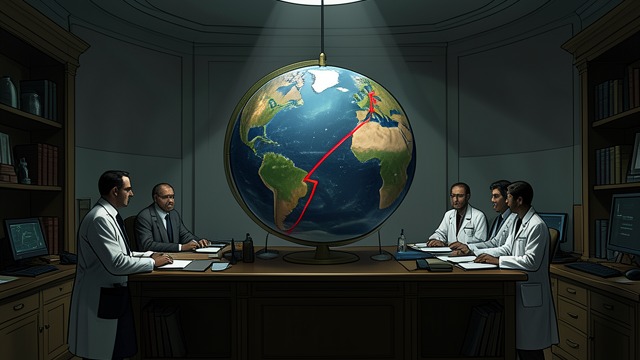
The 1949 GAC Review
An expert judgment
After the Soviet atomic test, the General Advisory Committee considered a crash thermonuclear program. Oppenheimer chaired discussion that weighed technical uncertainty, strategic effect, and human cost.
A moral warning
The majority concluded that a Super might become a weapon of genocide and would not guarantee American security. Oppenheimer’s position aligned with several eminent scientists, including James Conant and Isidor Rabi.
Truman Chooses Development
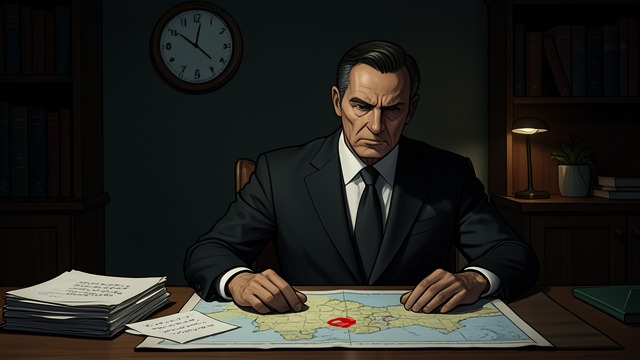
Truman Chooses Development
A short decision
President Harry S. Truman asked whether the Soviets could build the weapon. After officials answered yes, he approved a program to pursue it.
Advice overruled
Oppenheimer’s objections and the GAC’s recommendation did not prevent the decision. He stayed within official channels, but the result strengthened opponents who saw him as an obstacle.
The Technical Breakthrough

The Technical Breakthrough
A new design
A thermonuclear design made the Super appear technically feasible. Oppenheimer acknowledged its technical elegance while still judging the weapon strategically and morally dangerous.
Debate changes shape
The question shifted from whether it could be built to whether the United States should build it. Opponents now had less room to argue from technical impossibility.
Opposition Becomes Liability
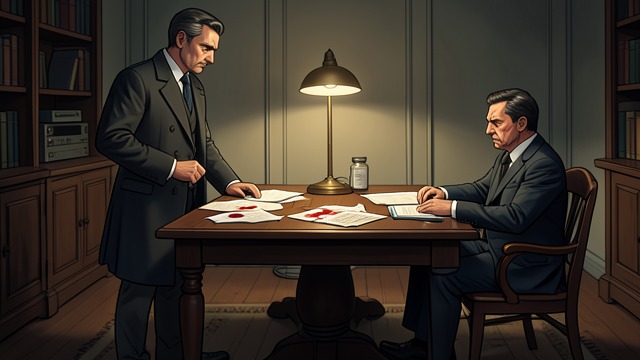
Opposition Becomes Liability
A policy dispute recast
Oppenheimer’s opposition to a crash program became an explicit part of his security case. His critics used policy disagreement to question his judgment and reliability.
The cost of dissent
The hearing’s verdict left his clearance revoked, even though the board did not establish espionage. His refusal to endorse prevailing strategy had helped turn a scientific adviser into a political target.
1942–1945, during the Manhattan Project
October 1949, during the General Advisory Committee meeting
January 31, 1950, at the White House
June 1951, after the Teller-Ulam design insight
1952–1954, through the security hearing
